In sports performance, it’s easy to measure hard work.
Heavier weights.
More repetitions.
Higher speeds.
Longer sessions.
Recovery is harder to measure, which is why it’s often overlooked.
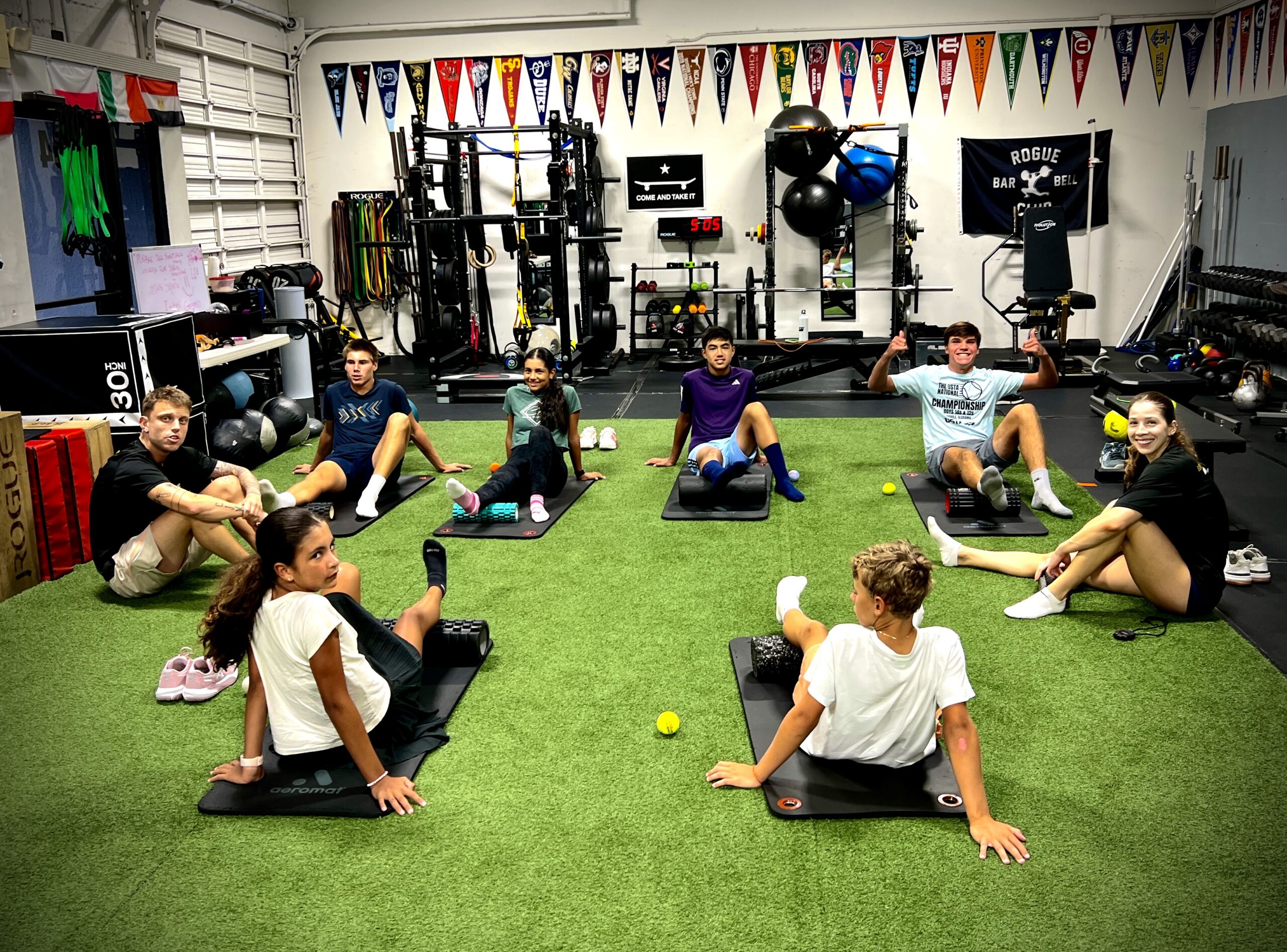
At Costa Performance, Friday afternoons look different from the rest of the week. Instead of another demanding strength and conditioning session, our junior tennis athletes focus on recovery.
This isn’t about taking it easy.
It’s about preparing for performance.
The Weekend Is Competition Time
For many competitive junior tennis players, tournaments begin on Saturday morning and often continue through Sunday.
By Friday afternoon, they’ve already accumulated several days of practice, strength training, conditioning, school, and everyday life stress.
Adding more fatigue at that point rarely improves performance.
Instead, our goal is to help athletes arrive at competition feeling fresh, mobile, and physically prepared.
Recovery Is an Active Process
Recovery doesn’t mean sitting still.
A well-designed recovery session may include mobility exercises, foam rolling, breathing drills, light movement, tissue preparation, joint mobility, and low-intensity activation work.
These activities help reduce accumulated stiffness, restore movement quality, and prepare the body for the demands of competition.
Just as importantly, they provide athletes with an opportunity to slow down, reset mentally, and transition into competition mode.
Performance Depends on Recovery
One of the biggest misconceptions in sports is that improvement only happens during training.
Training is simply the stimulus.
The actual adaptation happens afterward.
Without adequate recovery, athletes carry unnecessary fatigue into competition, movement quality declines, decision-making slows, and the risk of overuse injuries increases.
Teaching Habits for the Future
Our Friday recovery sessions are about more than preparing for the next match.
They’re about teaching young athletes a habit they’ll benefit from throughout their careers.
Elite athletes don’t recover because they’re tired.
They recover because they understand that recovery is part of training.
The athletes who stay healthy, compete consistently, and continue improving year after year are usually the ones who learn this lesson early.
Because the goal isn’t just to train hard.
The goal is to be ready when performance matters most.