
Ask most athletes why they do mobility work and you’ll probably hear the same answers: “to loosen up,” “to improve flexibility,” or “to prevent injuries.”
While those benefits may exist, they miss what might be the most important reason mobility deserves a place in every training program.
Every sport creates movement patterns.
A tennis player spends hours rotating, accelerating, decelerating, and reaching in very specific ways. A golfer repeats the same swing pattern thousands of times. A runner performs essentially the same stride over and over again. Even strength athletes become extremely efficient at the movements they practice most.
This specificity is exactly what allows performance to improve.
But every adaptation comes with a trade-off.
The nervous system becomes more efficient at producing familiar movements, while the body gradually spends less time exploring different ones. Over weeks, months, and years, certain positions become dominant and others slowly disappear from an athlete’s movement vocabulary.
That isn’t necessarily a problem.
It only becomes one when the body loses enough movement options that it starts relying on the same strategy for every task.
That’s where mobility becomes valuable.
Not as a stretching routine.
Not as a flexibility contest.
But as an opportunity to reintroduce movement variability.
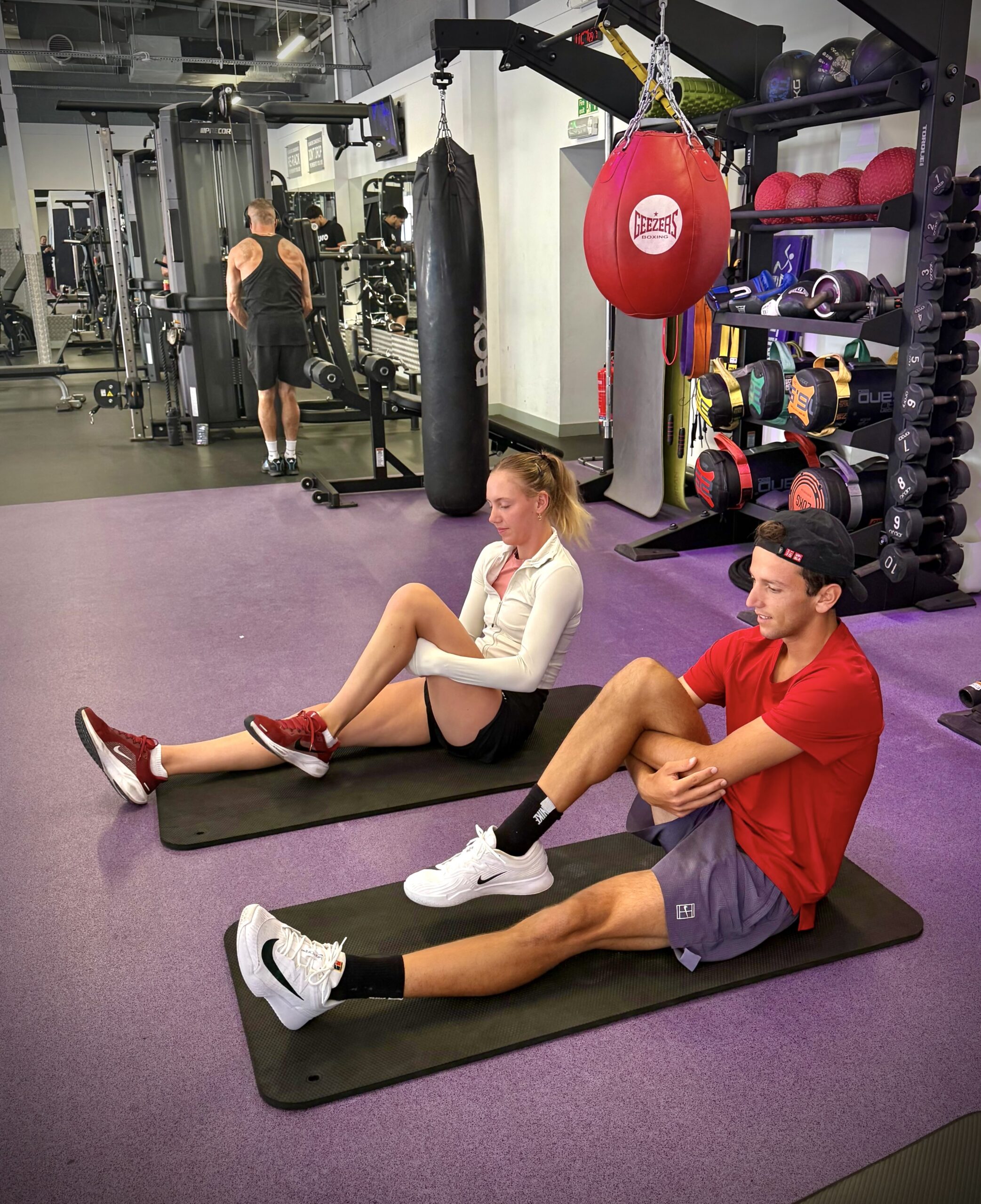
A good mobility session exposes the body to positions and movements that are rarely experienced during sport-specific practice. It reminds joints, muscles, fascia, and the nervous system that there are still many ways to move—not just the ones required during competition.
This doesn’t mean athletes should spend an hour stretching every day.
Consistency matters far more than duration.
Five to ten minutes before training can prepare the body for movement. A short mobility routine after practice can help restore positions that were underused during the session. Recovery days are another opportunity to move without the demands of performance, allowing the body to maintain options rather than becoming trapped in repetitive patterns.
High performance isn’t just about producing force.
It’s also about maintaining movement quality while accumulating thousands of repetitions throughout a season.
The best athletes don’t avoid adaptation.
They simply make sure adaptation never becomes limitation.
That’s why mobility isn’t something you do only when you feel stiff.
It’s part of the training process, every single week.