In high-performance sports, there is a common tendency to associate better results with getting stronger, faster, or simply spending more hours practicing technical skills. While all of these are important, athletic performance is much more complex than any single physical quality.
Sport is a continuous interaction between multiple capacities. Every acceleration requires efficient force production. Every change of direction depends on the ability to decelerate before reaccelerating. Every stroke, throw, kick, or jump relies on coordination between mobility, stability, balance, timing, and neuromuscular control.
When one of these components is underdeveloped, the athlete often finds ways to compensate. In the short term, these compensations may not be noticeable. In the long term, however, they tend to reduce efficiency, limit performance, and increase mechanical stress on specific tissues.
This is why modern athletic development has progressively shifted away from isolated physical training toward a more integrated approach.
Every Capacity Has a Purpose
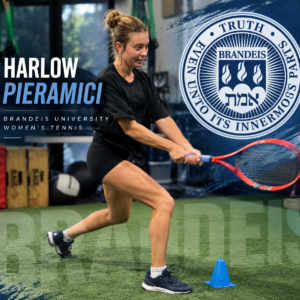
Footwork is often perceived as simply moving the feet faster. In reality, efficient footwork is about positioning the body correctly before every movement. Better positioning allows athletes to generate force more effectively while reducing unnecessary energy expenditure.
Agility is frequently misunderstood as speed. They are not the same. Agility requires perception, decision-making, body control, and the ability to rapidly reorganize movement according to changing situations. It is as much a neurological quality as it is a physical one.
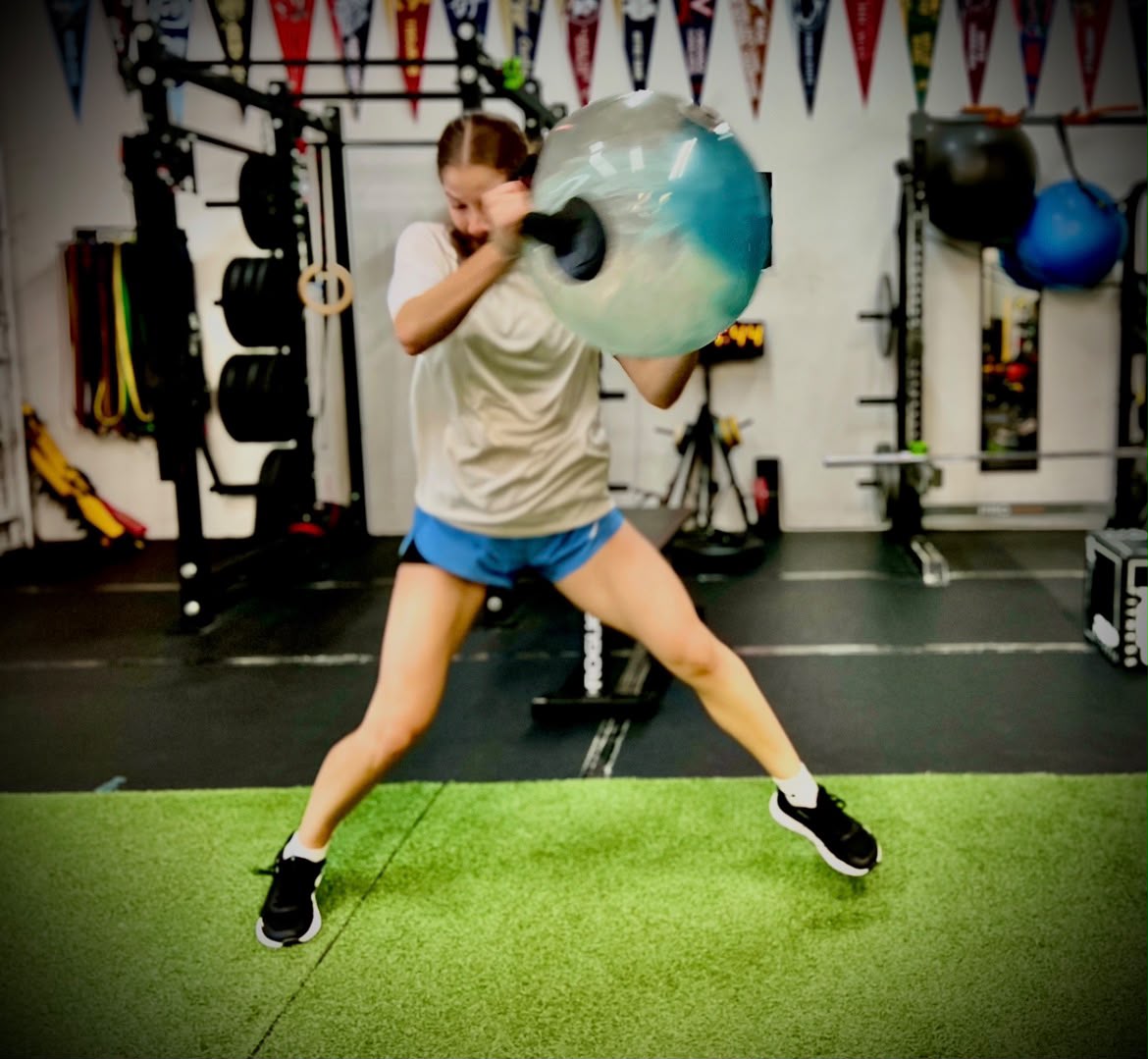
Explosive power determines how rapidly force can be produced. Plyometric training develops the stretch-shortening cycle, improving the body’s ability to absorb and reutilize elastic energy. When appropriately programmed, this not only enhances performance but also improves the body’s capacity to tolerate the high forces repeatedly encountered during competition.
Strength remains one of the fundamental pillars of athletic preparation. However, strength should never exist in isolation. It must transfer efficiently into movement patterns that are specific to the demands of the athlete’s sport.
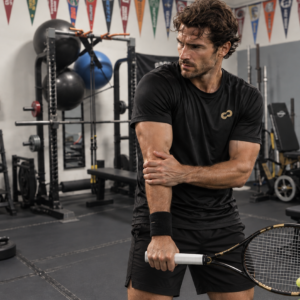
Mobility provides access to movement. Stability allows the athlete to control that movement. Neither should be prioritized at the expense of the other. High mobility without control creates instability. Excessive stiffness without mobility limits movement efficiency and increases compensatory strategies.
Coordination connects all of these qualities into functional movement.
Athletic performance is ultimately the result of how well these individual capacities interact rather than how highly each one develops independently.
Performance and Injury Prevention Are Closely Connected
One of the most interesting developments in sports science over the last decade is the growing recognition that performance enhancement and injury prevention are not separate objectives.
Athletes move thousands of times during a single week of training and competition. Small asymmetries, movement inefficiencies, or deficits in stability may initially have little impact. Over time, however, repetitive loading can amplify these imperfections and contribute to overuse injuries.
This does not mean injuries can always be prevented. Sport is inherently unpredictable.
However, improving movement quality, restoring balanced force production, optimizing mobility, and enhancing neuromuscular control can significantly improve an athlete’s ability to tolerate training loads.
The objective is not to eliminate risk, but to improve resilience.
Looking Beyond Individual Exercises
At Costa Performance, one principle has consistently guided our work with athletes from different sports and competitive levels.
Rather than viewing training as a collection of isolated exercises, we focus on identifying which physical capacities require greater attention for each individual athlete. The goal is to create a balanced system where strength, movement efficiency, coordination, speed, power, mobility, and postural control evolve together instead of competing with one another.
An equally important part of this process is the continuous attention given to postural rebalancing and movement quality. Athletes often arrive with adaptations that naturally develop through years of repetitive practice in a specific sport. These adaptations are not necessarily problems, but when left unaddressed they may influence movement efficiency and loading patterns over time.
Our experience has shown that systematically developing each physical capacity while simultaneously working to restore movement balance creates athletes who not only perform better but also tolerate training with greater consistency throughout the season.
Interestingly, this integrated approach has become one of the aspects most frequently recognized by our athletes and families. Rather than highlighting individual exercises or specific technologies, they often describe the difference as the feeling that every part of their development is being addressed within the same system.
This perception closely reflects what current evidence suggests: athletic development is rarely determined by one exceptional quality. Instead, it emerges from the interaction of multiple physical capacities that are trained in a coordinated and individualized manner.
High performance is not built by maximizing one variable.
It is built by developing the entire athlete.
More about this subject: