People often ask what changes when you leave the training center and start traveling with athletes.
The answer is simple.
Everything becomes real.
Inside the gym it’s easy to plan a perfect week. Training sessions start on time, recovery is scheduled and everything happens under controlled conditions.
Tournaments are different.
Matches run longer than expected. Weather changes. Athletes don’t always sleep well. Recovery windows become shorter. Sometimes there’s another match less than 24 hours later.
As strength and conditioning coaches, our role changes too.
We’re no longer thinking about how much strength we can build that week.
We’re thinking about how to keep the athlete performing day after day.
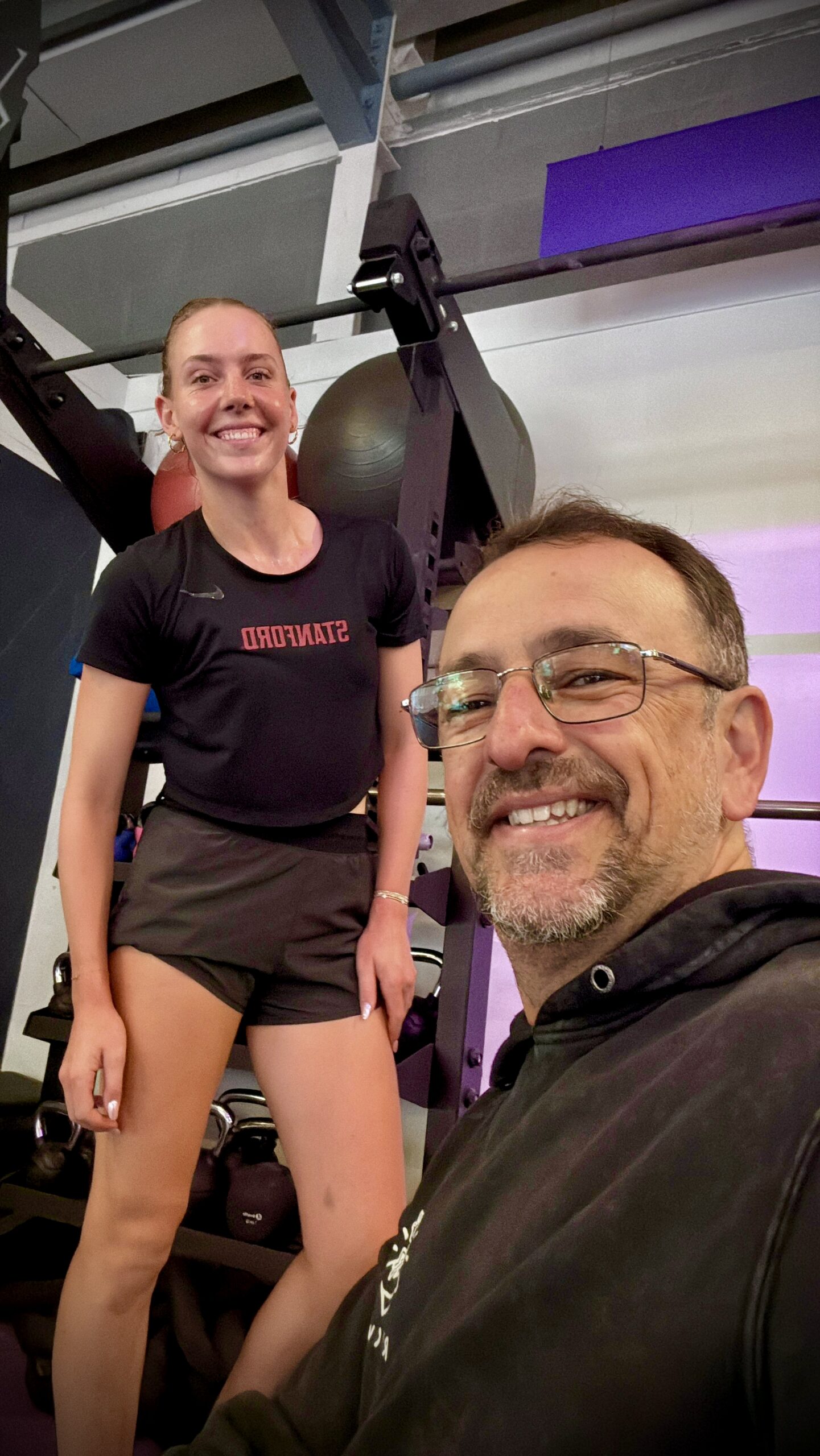
During the past few weeks I’ve had the opportunity to work in England alongside Diego Moyano, supporting junior and professional tennis players through practices and tournaments.
One thing becomes very clear when you’re living the athletes’ routine every day.
The quality of communication between coaches matters.
The tennis coach sees technical and tactical demands.
The performance coach understands fatigue, recovery and physical readiness.
When those conversations happen naturally throughout the day, athletes receive better decisions instead of simply following a schedule.
That doesn’t only improve performance.
It also helps reduce unnecessary fatigue and gives athletes a better chance of staying healthy throughout long tournament weeks.
This experience will certainly influence how we continue to work at Costa Performance.
Not because we discovered something new.
But because every week spent on the tour reminds us that high performance isn’t created by one professional.
It’s built by a team that shares information, adapts every day and always puts the athlete first.