Training Together: Why Partner Work Creates Better Athletes
One of the most interesting things I’ve observed over the years is how much the training environment influences athletic performance.
When people think about strength and conditioning, they usually focus on the exercises, the equipment, or the training program itself. Those factors are certainly important, but there is another variable that often receives much less attention: who is training beside you.
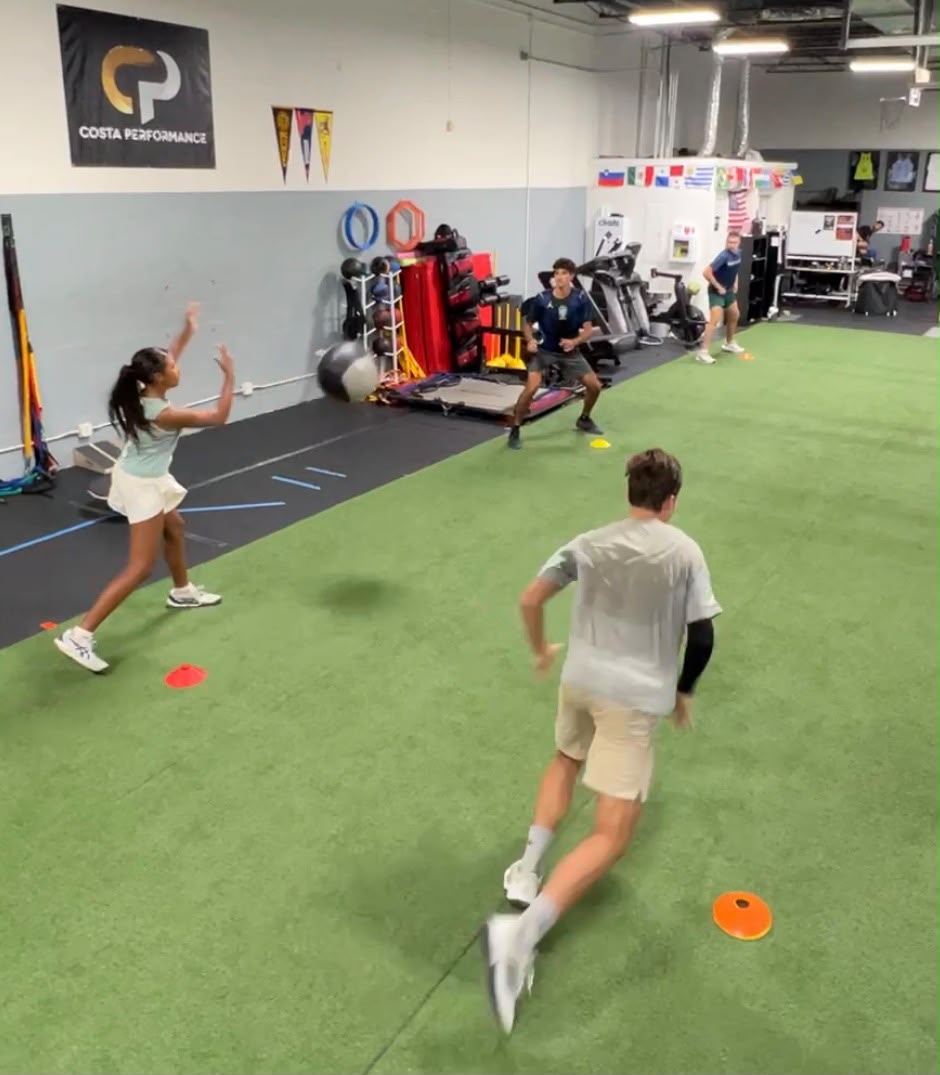
Whenever possible, I like to organize athletes in pairs. This has very little to do with making sessions more efficient. Instead, it changes the way athletes approach the entire workout.
Training with a partner naturally increases concentration and effort. Athletes become more engaged, maintain a better pace throughout the session, and often perform at a higher level without any additional encouragement from the coach. Healthy competition develops on its own.
This is particularly noticeable during acceleration and resisted sprint training.
Exercises using sleds are not simply designed to make athletes work harder. Their purpose is to improve how force is applied to the ground. By increasing horizontal resistance, athletes learn to position their bodies more effectively during acceleration while producing force in a direction that transfers directly to sport.
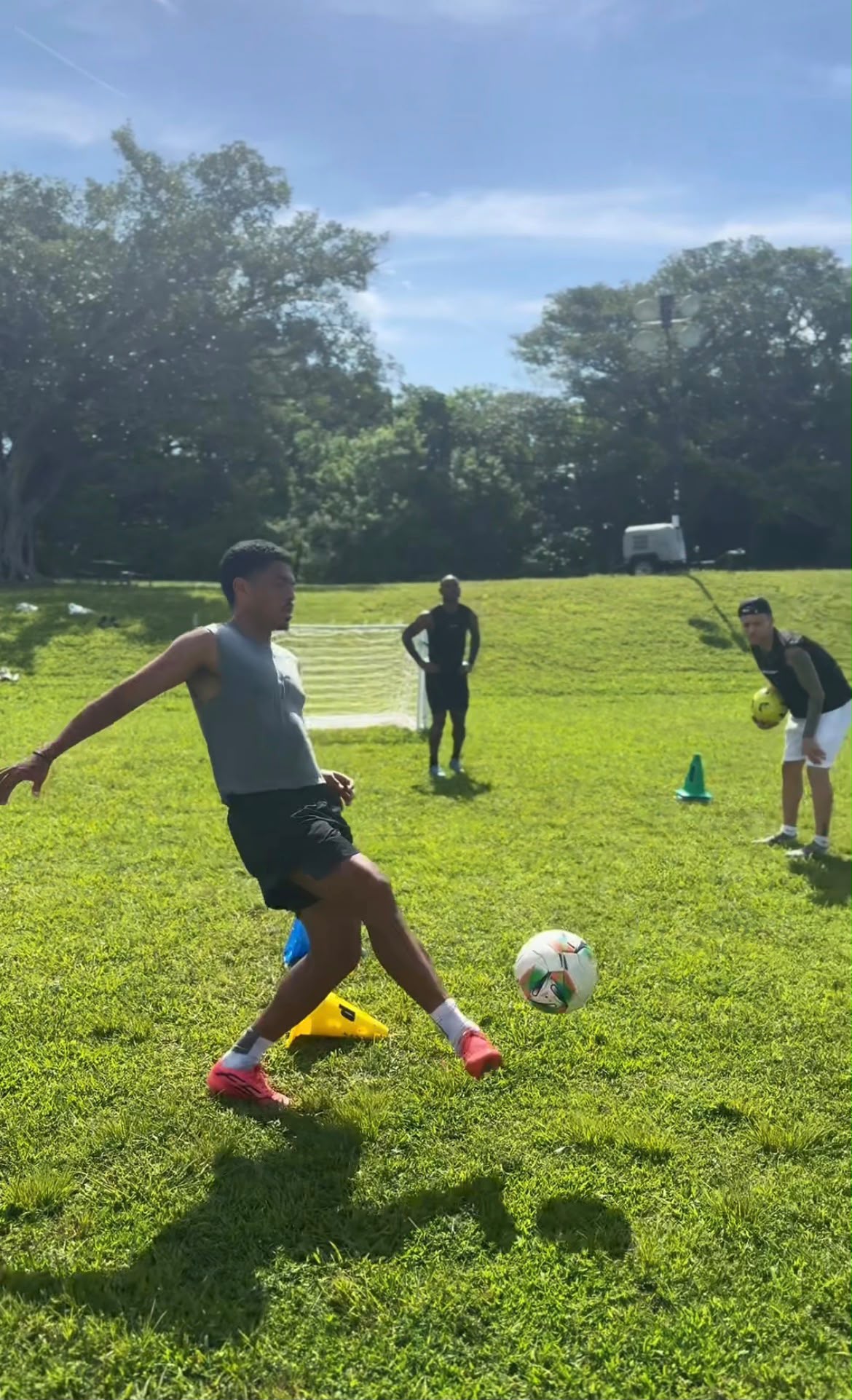
When two athletes perform these drills together, another element is added to the exercise. Each repetition becomes a challenge. Without changing the load or the training objective, intensity increases simply because both athletes are working toward the same goal at the same time.
The same principle can be applied to many other aspects of performance training. Jumping exercises, change of direction drills, reaction work, and conditioning sessions all benefit from an environment that encourages athletes to stay engaged throughout the workout.
Of course, pairing athletes should never interfere with movement quality. Good technique always comes before competition. The role of the coach is to create situations where athletes can challenge one another while maintaining proper mechanics and appropriate training loads.
Over time, these small details help create a better learning environment. Athletes become more consistent, more focused, and more invested in every session.
Performance is rarely determined by a single exercise. More often, it is the result of hundreds of well-designed training sessions where every detail contributes to the athlete’s long-term development.
Sometimes, one of those details is simply having the right training partner standing beside you.
Get to know our podcast: